Guide 01 / no recorder required
Make a five-minute sound map
A useful sound map preserves relationship rather than every name. All you need is paper, a pen and one safe place where stopping does not obstruct anyone.
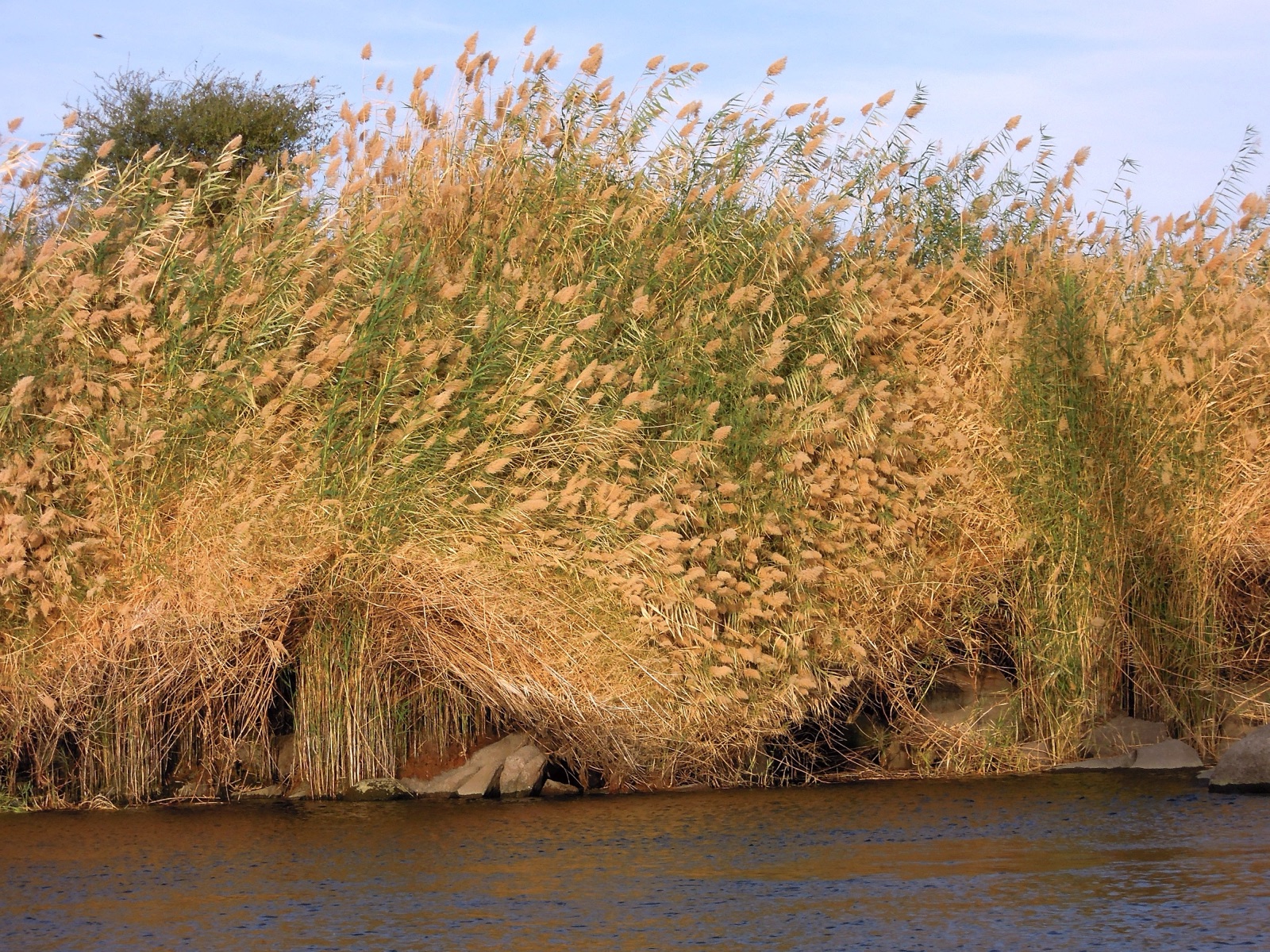
_Reeds_on_the_bank_of_Nile_River_(26423401656).jpg)
Before the timer
Confirm that the place is open, safe and appropriate for pausing. Stay clear of entrances, working areas, roads, unstable edges and private space. Write the visible conditions at the top: broad setting, wind if apparent, nearby activity and your position. The map describes this interval, not the permanent character of a city or landscape.
Minute one: draw three rings
Place a small circle for yourself at the centre. Add three loose rings labelled near, middle and far. These are practical categories, not measured distances. Near sounds contain fine detail or connect clearly to your body and immediate surfaces. Middle sounds occupy the shared scene. Far sounds arrive with less detail or uncertain direction.
Make a mark only after noticing a source twice or hearing a complete event. This pause prevents the page from filling with fragments before a pattern appears.
A simple notation
Dot = short event. Line = continuous band. Repeated strokes = rhythm. Arrow = moving source. Bracket = masking interval. Question mark = uncertain direction or identity.
Minutes two and three: map movement
When a source changes distance, draw an arrow across the rings. A boat, vehicle, walker or bird may begin far, cross the middle field and fade again. Do not chase it with your eyes or body; keep the original listening position. If another layer hides it, break the arrow and add a bracket around the masked interval.
Use ordinary language. “Low continuous band” is better than an unsupported claim about machinery. “Three hard contacts at the water edge” is better than guessing what struck the surface.
Minute four: find repetition
Choose one repeating event and count only long enough to understand whether its interval is steady, grouped or irregular. Reeds may move with gusts; footsteps may form a short passage; waves may arrive in sets. Add four or five marks to the margin as a miniature timeline.
Repetition does not make a sound unimportant. A quiet return can reveal surface, wind or human pace more clearly than the loudest event.
Minute five: record the change
Write one sentence about what entered and one about what returned after it left. For example: “A vehicle band masked the far shore; after it passed, close leaf movement returned before distant voices.” This closing comparison gives the map structure.
After the exercise
Add a short legend while the marks are still clear. Circle anything inferred rather than directly located. If you repeat the exercise elsewhere, keep the same symbols but do not force the same categories of source. The comparison should reveal different relationships, not manufacture identical results.
A map can remain private. Avoid posting precise positions when they reveal vulnerable wildlife, private routines or sensitive access. If notes include fragments of identifiable speech, remove the content and keep only the direction or rhythm needed for the spatial record.
End on time. Do not remain in a sensitive, crowded or uncomfortable place merely to improve the page. Add uncertainty openly, and never fill gaps from memory as though they were observed. The finished map is a disciplined sample: small, time-specific and honest about what the listener could not resolve.