Note 02 / reflected interior
A courtyard edits the city
A courtyard is neither sealed room nor open street. Its surfaces return nearby detail while doors, passages and the sky keep selected parts of the wider city in reach.
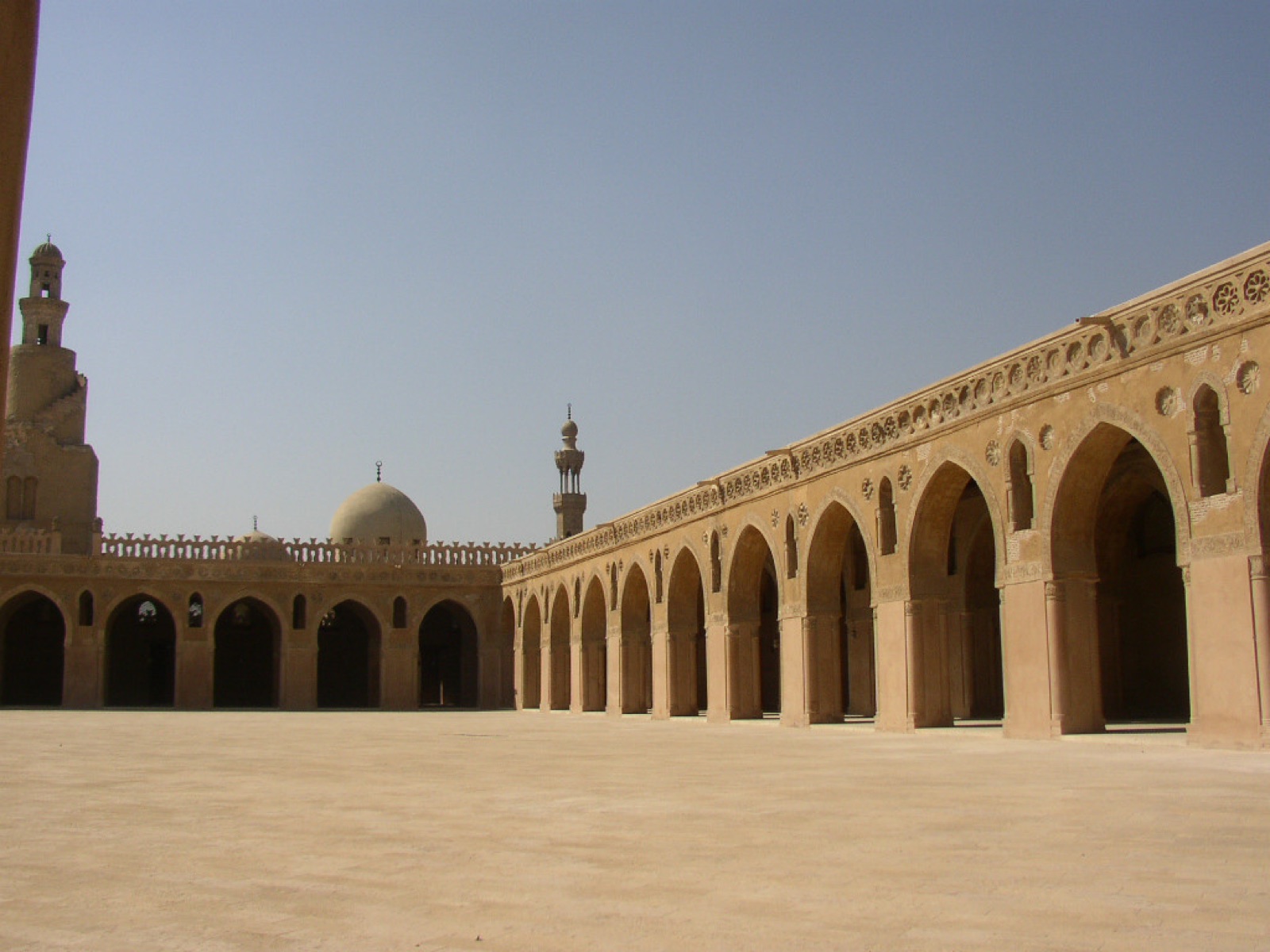

Stand near the centre only when access and use allow it. First listen to your own arrival: shoe against stone, fabric, breath, a bag shifting. In an enclosed hard-surfaced space, these close sounds can return quickly enough to feel brighter or larger. That effect is not the courtyard becoming loud; it is the space making short events easier to locate and compare.
Reflection reveals material and shape
Stone, plaster, timber, openings and furnished surfaces do not behave identically. A clap would demonstrate reflection, but deliberately making sharp noise is unnecessary and may be disrespectful. Ordinary footsteps, a closing door or a brief voice already provide evidence. Listen for the tail after the source stops. Is it crisp and short, softened by irregular surfaces, or redirected through an arcade?
Do not convert one impression into an architectural measurement. A visitor without controlled equipment cannot infer precise acoustic properties from a casual moment. A strong note stays descriptive: “footstep returned from the opposite wall” or “speech remained clear near the passage and blurred at the far side.”
Threshold test
Face one opening for a minute, then turn away without changing position. Mark which outside sources remain clear, which become diffuse and whether near reflections now dominate. Do not block the doorway while testing.
The street is filtered, not erased
A protected interior is often described as an escape from Cairo’s noise. That phrase misses the more interesting relationship. Sound enters through gates, passages, windows and the open sky. A vehicle may lose high detail but remain as a low band. A voice can appear briefly at a doorway. Birds or wind may arrive from above without revealing an exact horizontal source.
The courtyard therefore edits the city rather than rejecting it. Architecture changes direction, balance and intelligibility. Listen for selective connection: which events cross a threshold, and which close activity masks them after they enter?
Occupancy changes everything
An empty photograph is not a promise of emptiness. Historic courtyards can be parts of religious, residential, educational, cultural or visitor spaces. Rugs, bodies, temporary barriers and open doors change the acoustic situation. More importantly, people change the ethical situation. A listener is a guest within someone else’s activity, not a neutral sensor.
A short quiet interval should not be labelled the building’s natural state. It may simply fall between groups, maintenance tasks, services or changes in access. Write the time-specific pause without turning it into a promise for another visitor.
Never ask people to repeat a call, movement or ritual for atmosphere. Avoid recording prayer, conversation, children or staff without the permission appropriate to the setting and intended use. Where photography or recording is restricted, the restriction ends the question. A diagram of direction and rhythm can preserve the spatial lesson without capturing content.
Compare centre and edge carefully
If movement is permitted, compare one central position with one sheltered edge. At the centre, several reflections may feel balanced. Near a wall, close returns and a narrower view can shift attention. Walk once, slowly, and stop. Repeated pacing makes your footsteps the dominant event and disrupts other users.
Note what becomes audible only after you stop. Mechanical systems, distant traffic, water, birds or quiet maintenance activity may emerge beneath your own movement. This “settling interval” is a practical measure: how long does it take before the observer is no longer the largest change?
Write the openings into the map
Draw the courtyard as an imperfect rectangle. Mark passages, arcades, open doors and sky exposure. Use solid arrows for a source you can locate and dotted arrows for diffuse arrival. A reflected event can receive two marks: the direct source and the surface from which a return seems to arrive.
The resulting map shows a space joined to the city by selective paths. It does not claim that all Cairo courtyards sound alike, or that the photographed place is currently accessible. Conditions, permissions and use change. The durable lesson is that enclosure is active: it frames, delays, redirects and sometimes protects what can be heard.